
Cystine kidney stones are associated with cystinuria, an inherited condition that affects how certain amino acids are transported by the kidneys.
Cystine kidney stones are different from many of the more common types of kidney stones. They develop in people with cystinuria, a genetic condition that causes excessive amounts of certain amino acids to pass into the urine.
Because cystinuria is inherited, people who develop cystine stones may experience recurring stones over time. Prevention therefore often requires a long-term approach involving hydration, monitoring, dietary considerations, and medical management.
Understanding why cystine stones form can help individuals and families better understand the importance of prevention and ongoing care.
What Are Cystine Kidney Stones?
Cystine stones form when cystine becomes concentrated in the urine and crystallizes.
Cystine is an amino acid. Under normal circumstances, the kidneys reabsorb certain amino acids and return them to the bloodstream.
In people with cystinuria, this transport process does not work normally. As a result, excess cystine can enter the urine.
Cystine has limited solubility in urine, particularly when its concentration becomes high enough. Crystals can then develop into kidney stones.
What Is Cystinuria?
Cystinuria is an inherited disorder that affects amino acid transport in the kidneys.
It can cause increased urinary levels of cystine and other amino acids.
Because the underlying condition is genetic, cystine stone formation may recur unless appropriate preventive measures are followed.
People diagnosed with cystinuria typically need ongoing medical guidance rather than relying on short-term approaches.
Why Do Cystine Stones Form?
Cystine stones form when the concentration of cystine in urine becomes high enough for crystals to develop.
Several factors can influence this process, including:
-
Genetic changes associated with cystinuria
-
Low urine volume
-
Dehydration
-
High urinary cystine concentration
-
Urine chemistry
-
Inadequate prevention strategies
The genetic component makes cystine stones different from many stones that are primarily associated with diet or other acquired factors.
The Genetic Connection
Cystinuria is inherited.
This means that the condition can run in families, although the way it is inherited can vary depending on the specific genetic changes involved.
People who have recurrent cystine stones may benefit from discussing their medical and family history with a qualified healthcare professional.
Genetic evaluation may be considered in appropriate circumstances.
Why Hydration Is Important
Increasing urine volume is a major part of cystine stone prevention.
When more urine is produced, cystine becomes more diluted. This can help reduce the concentration of cystine in the urinary tract.
People with cystinuria may therefore need to pay particular attention to fluid intake.
However, individual hydration requirements vary.
People with conditions that require fluid restrictions should follow their healthcare professional's instructions rather than increasing fluid intake independently.
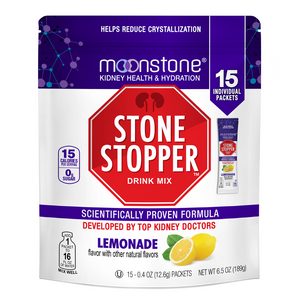
A hydration drink mix may provide a convenient option for people who want to support their daily hydration routine, but it should not be considered a treatment for cystinuria.
Maintaining Consistent Hydration
For people at risk of cystine stones, hydration is not simply an occasional concern.
Consistent fluid intake can be an important part of a long-term prevention strategy.
A hydration routine may involve:
-
Drinking fluids consistently throughout the day
-
Maintaining fluid intake during appropriate periods of activity
-
Following individualized medical recommendations
-
Avoiding prolonged periods of inadequate hydration
The specific amount of fluid needed should be determined according to individual circumstances and professional guidance.
Why Urine Chemistry Matters
Cystine solubility is influenced by urinary conditions.
Healthcare professionals may monitor urine chemistry as part of managing cystinuria.
Depending on the individual's situation, treatment may focus on increasing urine volume and modifying urinary conditions to reduce cystine crystallization.
Because these interventions can involve medical treatment, people with cystinuria should work with a qualified healthcare professional.
Dietary Considerations
Diet may be considered as part of an overall cystine stone prevention plan.
Reducing excessive sodium intake may be relevant because sodium can influence cystine excretion in urine.
However, dietary recommendations should be individualized.
People should avoid making major dietary changes based solely on general information, particularly if they have a diagnosed metabolic or genetic condition.
A qualified healthcare professional or registered dietitian can help determine appropriate dietary strategies.
Kidney Health Support
People with recurring kidney stones may be interested in general kidney health products.
A kidney health supplement may be considered as part of a broader wellness routine, but supplements should not replace treatment for cystinuria.
Individuals with kidney disease, recurrent stones, or prescription medications should discuss supplements with their healthcare professional before using them.
The most important consideration is addressing the underlying condition and following an appropriate prevention plan.
Why Cystine Stones Can Recur
Cystinuria does not simply disappear after a stone has passed or been removed.
Because the underlying issue is related to inherited amino acid transport, cystine can continue to enter the urine at elevated levels.
This is why people with cystinuria may need long-term monitoring and prevention.
Preventive care can help reduce the likelihood of repeated stone formation and may involve a combination of hydration, dietary management, urine monitoring, and medication when appropriate.
Medical Management of Cystine Stones
Treatment and prevention depend on the individual's condition.
Healthcare professionals may consider several approaches, including:
-
Increasing urine volume
-
Modifying dietary factors
-
Monitoring urine chemistry
-
Using medications when appropriate
-
Monitoring stone development
-
Treating existing stones when necessary
Medication decisions should always be made by an appropriate healthcare professional.
People should not start, stop, or change medication based solely on general information.
Cystine Stones Versus Other Kidney Stones
Cystine stones differ from several more common kidney stone types.
Calcium-based stones are the most common type, while uric acid stones are associated with uric acid and urine acidity. Cystine stones, by contrast, are specifically associated with cystinuria.
This distinction matters because prevention strategies can differ significantly between stone types.
Someone who has previously had a kidney stone should not assume that the same prevention strategy applies to every future stone.
Why Stone Analysis Can Be Important
When a kidney stone is retrieved, analyzing its composition can provide useful information.
Knowing that a stone contains cystine can prompt further evaluation for cystinuria.
This can be particularly important when stones occur at a young age, recur frequently, or appear in multiple family members.
Identifying the underlying condition can help guide future prevention.
Family Considerations
Because cystinuria is inherited, family history can be relevant.
If a person has been diagnosed with cystinuria, healthcare professionals may discuss whether other family members should be evaluated.
The appropriate approach depends on the individual's genetic and medical circumstances.
People with questions about inherited kidney stone conditions should seek guidance from an appropriate healthcare professional.
When Should You Seek Medical Attention?
Kidney stones can cause significant symptoms.
Possible symptoms include:
-
Severe pain
-
Blood in the urine
-
Nausea
-
Vomiting
-
Pain during urination
-
Frequent urination
-
Difficulty urinating
Fever or chills alongside suspected kidney stone symptoms can indicate a potentially serious complication and requires prompt medical evaluation.
Anyone with recurring stones should discuss long-term prevention with a qualified healthcare professional.
Cystine Stone Prevention Is a Long-Term Process
Because cystinuria is an inherited condition, prevention generally needs to continue over time.
A long-term plan may include:
-
Maintaining appropriate hydration
-
Monitoring urinary factors
-
Following recommended dietary strategies
-
Taking prescribed medications when indicated
-
Attending follow-up appointments
-
Monitoring for new stones
-
Discussing changes in symptoms with a healthcare professional
Consistency can be important because stone formation can recur when cystine concentrations become too high.
What About Kidney Stone Medication?
Medication may be prescribed in some cases to help reduce cystine stone formation.
The choice of medication depends on the person's health, urinary chemistry, stone history, and response to other preventive measures.
People searching for kidney stone medication should consult a qualified healthcare professional rather than choosing medication independently.
Prescription treatment should be used according to professional instructions.
FAQs
1. What causes cystine kidney stones?
Cystine kidney stones are caused by cystinuria, an inherited condition that causes excessive amounts of cystine to pass into the urine. When cystine becomes concentrated, crystals can form stones.
2. Is cystinuria inherited?
Yes. Cystinuria is an inherited condition involving changes that affect amino acid transport in the kidneys. The specific inheritance pattern can depend on the genetic cause.
3. Can drinking more water help prevent cystine stones?
Maintaining adequate urine volume is an important part of cystine stone prevention because increased urine volume can dilute cystine. Individual fluid requirements should be discussed with a healthcare professional.
4. Can diet prevent cystine kidney stones?
Diet may be one component of prevention. Sodium intake and other dietary factors may be considered, but recommendations should be individualized according to the person's medical circumstances.
5. Do cystine kidney stones come back?
They can recur because cystinuria is an inherited condition that continues to affect cystine levels in urine. Long-term prevention and medical monitoring may therefore be necessary.
Conclusion
Cystine kidney stones are associated with cystinuria, an inherited condition that causes increased cystine levels in the urine. Because the underlying cause is genetic, people affected by cystinuria may need long-term prevention and monitoring.
Adequate hydration is an important part of prevention because increasing urine volume can dilute cystine. Dietary considerations, urinary monitoring, prescribed medications, and regular medical care may also be part of an individualized prevention plan.
People interested in general kidney health support or a hydration drink mix should remember that wellness products do not replace medical treatment for cystinuria.
For additional information about kidney stone prevention, individuals can review educational resources and discuss their personal stone history with a qualified healthcare professional. Identifying the type of kidney stone and understanding its underlying cause can be an important step toward developing an appropriate long-term prevention strategy.