
Uric acid kidney stones are a type of kidney stone associated with high uric acid levels and acidic urine. Hydration and appropriate dietary habits are important parts of prevention.
Uric acid kidney stones form when uric acid becomes concentrated enough in the urine to crystallize. Unlike some other kidney stones, uric acid stones are strongly influenced by urine acidity. This means that understanding hydration, diet, urinary pH, and individual risk factors can be important when considering prevention strategies.
Kidney stones can cause significant discomfort when they move through the urinary tract. However, prevention is often possible by identifying factors that increase the likelihood of stone formation and making appropriate changes.
Anyone who has had kidney stones or has been told they have elevated uric acid should discuss prevention strategies with a qualified healthcare professional.
What Are Uric Acid Kidney Stones?
Uric acid kidney stones develop when uric acid becomes concentrated in the urine and forms crystals.
The kidneys filter waste products from the blood and remove them through urine. Uric acid is one of these waste products. When urine conditions favor crystallization, uric acid can form stones.
A key factor is urine pH. More acidic urine makes it easier for uric acid to remain in a form that can crystallize.
People who have recurring stones may need an evaluation to determine the factors contributing to their stone formation.
Why Do Uric Acid Stones Form?
Several factors can contribute to uric acid stone formation.
These may include:
-
Persistently acidic urine
-
Higher uric acid levels
-
Low urine volume
-
Dehydration
-
Dietary patterns that increase uric acid production
-
Certain metabolic conditions
-
A history of gout
-
Previous kidney stones
Not every person with elevated uric acid develops kidney stones, and not every person with kidney stones has the same risk factors.
Understanding the underlying cause is therefore an important part of prevention.
The Role of Urine Acidity
Urine acidity is particularly important for uric acid stones.
When urine is more acidic, uric acid is less soluble and can crystallize more easily. Increasing urine pH can improve uric acid solubility in appropriate circumstances.
However, urinary pH should not be manipulated without appropriate medical guidance. The correct approach depends on the individual's health history and stone type.
People with recurring stones may benefit from urine testing and professional evaluation to understand their specific risk factors.
Dehydration and Low Urine Volume
Not drinking enough fluid can increase the concentration of substances in urine.
When urine volume is low, substances that can contribute to stone formation may become more concentrated.
Maintaining adequate hydration is therefore an important general kidney stone prevention strategy.
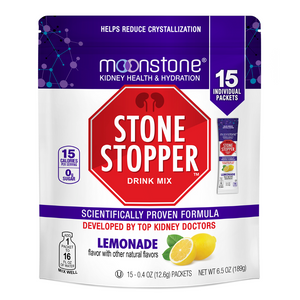
A hydration drink mix can be one option for people looking for convenient hydration support, but it should not replace appropriate medical advice or regular fluid intake.
Individual hydration needs can vary based on activity, climate, health conditions, medications, and other factors.
Diet and Uric Acid Stones
Diet can influence uric acid production and stone risk.
Foods containing purines can contribute to uric acid production when the body breaks them down. Dietary patterns that provide high amounts of purines may be relevant for some people who form uric acid stones.
Common sources of purines include certain meats, organ meats, and some seafood.
Rather than eliminating individual foods without guidance, people with recurring uric acid stones may benefit from discussing their diet with a healthcare professional or qualified nutrition professional.
Uric Acid and Gout
Uric acid is also associated with gout.
Gout occurs when urate crystals accumulate in joints, causing inflammation and pain. People with gout may have elevated uric acid levels, which can also be relevant to kidney stone risk.
However, gout and uric acid kidney stones are different conditions.
Someone who has both conditions may need a coordinated approach to managing uric acid levels and reducing stone risk.
People considering a uric acid supplement should discuss supplements with a healthcare professional, especially if they take medications or have an existing medical condition.
Maintaining Adequate Fluid Intake
Hydration is one of the most important general strategies for reducing kidney stone risk.
Adequate fluid intake helps produce more urine, which can dilute substances that may contribute to stone formation.
A practical hydration routine may include:
-
Drinking fluids consistently throughout the day
-
Increasing fluid intake when appropriate during physical activity
-
Paying attention to fluid needs in hot conditions
-
Following medical guidance when fluid intake needs to be restricted
People with certain kidney, heart, or other medical conditions may have specific fluid restrictions, so general hydration recommendations are not appropriate for everyone.
Can Diet Prevent Uric Acid Stones?
Dietary changes may help reduce the risk of uric acid stone recurrence, depending on the individual's risk factors.
Potential considerations include:
-
Maintaining adequate hydration
-
Moderating excessive intake of high-purine foods
-
Following an appropriate overall eating pattern
-
Maintaining a healthy weight when appropriate
-
Discussing alcohol intake with a healthcare professional
-
Monitoring factors associated with uric acid levels
Diet alone may not be sufficient for everyone.
People with recurrent stones may require medical evaluation, laboratory testing, medication, or other interventions.
What About Uric Acid Cleanses?
Products marketed for uric acid support may be used by some people as part of their wellness routines.
However, a supplement should not be considered a replacement for diagnosis or medical treatment.
People researching an uric acid cleanse should review the ingredients and discuss the product with a qualified healthcare professional, particularly if they have gout, kidney disease, recurrent kidney stones, or take prescription medication.
The appropriate prevention strategy depends on why the stones are forming.
Kidney Stone Prevention Requires the Right Diagnosis
Not all kidney stones are uric acid stones.
Other types include calcium oxalate, calcium phosphate, struvite, and cystine stones.
Each type can have different causes and prevention strategies.
This is why identifying the composition of a stone can be useful. Testing may help determine what type of stone formed and guide future prevention.
People should not assume that a prevention strategy designed for one stone type is appropriate for another.
Kidney Health and Preventive Support
General kidney health involves several factors, including hydration, nutrition, blood pressure management, metabolic health, and appropriate medical care.
Some people may consider a kidney health supplement as part of their wellness routine.
Supplements should be evaluated carefully, especially for people with existing kidney conditions or those taking medications.
A supplement cannot replace appropriate evaluation when someone has recurring kidney stones or symptoms of a urinary tract problem.
When Should You Seek Medical Care?
Kidney stone symptoms can include severe pain, blood in the urine, nausea, vomiting, urinary discomfort, or difficulty urinating.
Some symptoms require prompt medical attention.
Seek appropriate medical care if symptoms are severe, persistent, or accompanied by fever, chills, difficulty urinating, or other concerning signs.
People with recurring stones should also discuss prevention with a healthcare professional rather than relying solely on home strategies.
How Testing Can Help With Prevention
For people who repeatedly develop kidney stones, testing may help identify the reasons for recurrence.
Depending on the situation, evaluation may include:
-
Urine testing
-
Blood testing
-
Stone analysis
-
Imaging
-
Medical history
-
Dietary assessment
These assessments can provide information about urinary chemistry and other risk factors.
The results can help determine whether hydration, dietary changes, medication, or other interventions should be considered.
FAQs
1. What causes uric acid kidney stones?
Uric acid stones can form when uric acid becomes concentrated in urine, particularly when urine is persistently acidic. Low urine volume, dehydration, dietary factors, elevated uric acid, and certain health conditions can contribute.
2. Does drinking more water help prevent uric acid stones?
Adequate hydration can increase urine volume and dilute substances that contribute to stone formation. Individual fluid needs vary, so people with medical conditions affecting fluid intake should follow professional guidance.
3. Are uric acid stones related to gout?
They can be related because both involve uric acid metabolism. People with gout may have an increased risk of uric acid kidney stones, but the two conditions are not the same.
4. Can supplements prevent uric acid kidney stones?
Supplements should not be assumed to prevent or treat kidney stones. Anyone considering a supplement for kidney or uric acid support should discuss the product with a qualified healthcare professional.
5. How can I reduce my risk of recurring kidney stones?
Prevention depends on the type of stone and its underlying cause. Hydration, appropriate dietary changes, medical evaluation, and following an individualized prevention plan can all be relevant.
Conclusion
Uric acid kidney stones develop when uric acid crystallizes in the urinary tract, with acidic urine and low urine volume playing important roles in many cases.
Hydration, appropriate dietary habits, and understanding individual risk factors can support prevention. People with recurring stones may benefit from stone analysis, urine testing, and professional guidance to determine the most appropriate strategy.
Products such as a kidney support supplement, uric acid supplement, or hydration drink mix may be considered as part of a broader wellness routine, but they should not replace medical evaluation or prescribed treatment.
For more information about kidney stone prevention, individuals can explore educational resources and discuss their personal risk factors with an appropriate healthcare professional.