
Calcium oxalate is the most common type of kidney stone. Prevention focuses on adequate hydration, balanced nutrition, and understanding the factors that increase stone formation.
Calcium oxalate kidney stones form when calcium and oxalate become concentrated enough in urine to create crystals. These crystals can gradually grow into stones that may cause pain, discomfort, or difficulty passing urine. Understanding how calcium oxalate stones develop can help you make informed decisions about hydration, diet, and kidney health.
Although some risk factors cannot be controlled, many can be managed through everyday habits and appropriate medical care. Maintaining adequate fluid intake, following a balanced diet, and understanding your individual stone risk can all be important parts of a prevention strategy.
What Are Calcium Oxalate Kidney Stones?
Calcium oxalate stones are kidney stones made primarily from calcium and oxalate. Calcium is an essential mineral that supports several functions in the body, while oxalate is a naturally occurring substance found in many foods. Both can normally be present in urine without causing a problem.
The issue occurs when calcium and oxalate become highly concentrated in the urine. Under these conditions, they can combine and form crystals. With time, those crystals may grow and develop into a kidney stone.
Kidney stones can have different compositions, including calcium oxalate, calcium phosphate, uric acid, struvite, and cystine. Identifying the type of stone is important because different types may require different prevention approaches.
How Calcium Oxalate Kidney Stones Form
The formation of a calcium oxalate stone is a gradual process. It involves changes in urine concentration, crystal formation, crystal growth, and the balance of substances that either encourage or discourage stone development.
Calcium and Oxalate Become Concentrated
Urine contains water along with minerals, salts, and waste products. When there is not enough fluid to keep these substances diluted, calcium and oxalate can become more concentrated.
Low urine volume can increase the opportunity for calcium and oxalate to combine. Dehydration, inadequate fluid intake, and significant fluid loss through sweating can all contribute to concentrated urine.
This is why maintaining consistent hydration is an important part of kidney stone prevention . Drinking enough fluid can help keep urine more diluted and reduce the concentration of substances that contribute to stone formation.
Small Crystals Begin to Form
When urine becomes supersaturated with calcium and oxalate, tiny crystals can begin to develop. Some crystals may pass through the urinary tract without causing symptoms.
However, when the conditions that support crystal formation continue, some crystals can remain in the kidney and grow. The balance between stone-forming substances and natural inhibitors in urine can influence whether crystals remain small or develop further.
Crystals Grow Into a Stone
If calcium oxalate crystals continue to accumulate, they can combine and become larger. A growing stone may remain inside the kidney or eventually move into the ureter.
Small stones may sometimes pass naturally, while larger stones can become stuck and cause significant discomfort or interfere with urine flow. The size and location of a stone can affect the symptoms it produces and the treatment that may be required.
Urine Chemistry Also Matters
Calcium and oxalate are not the only substances involved in kidney stone formation. Citrate, for example, can help limit the growth of certain calcium crystals.
Low urinary citrate, high urinary calcium, high urinary oxalate, and other changes in urine chemistry can contribute to stone formation. For people who experience recurrent stones, testing may help identify the factors that are increasing their risk.
What Increases the Risk of Calcium Oxalate Stones?
Several dietary, lifestyle, and metabolic factors can contribute to calcium oxalate kidney stones. Understanding these factors can make prevention more targeted.
Low Fluid Intake
Drinking too little water can make urine more concentrated. When there is less fluid available to dilute calcium, oxalate, and other substances, crystal formation may become more likely.
People who regularly lose fluids through sweating may need to pay particular attention to hydration. Fluid requirements can vary based on activity level, climate, diet, and individual health needs.
High Urinary Calcium
Some people excrete higher amounts of calcium through their urine. This condition is commonly referred to as hypercalciuria and can increase the risk of calcium-based kidney stones.
High urinary calcium does not necessarily mean that a person consumes too much calcium. Several factors can influence urinary calcium levels, so dietary calcium should not automatically be eliminated without professional guidance.
High Oxalate Intake
Oxalate occurs naturally in a variety of foods. Foods that can contain higher amounts include spinach, rhubarb, nuts, peanuts, and wheat bran.
For people who have elevated urinary oxalate, reducing excessive intake of high-oxalate foods may be recommended. However, completely eliminating all foods containing oxalate is not always necessary.
A balanced approach that considers oxalate intake along with adequate dietary calcium can be more appropriate.
High Sodium Intake
A diet high in sodium can increase calcium excretion through urine. Regularly consuming highly processed foods, packaged meals, salty snacks, sauces, and other high-sodium foods may therefore contribute to kidney stone risk.
Reducing excessive sodium intake can be an important part of a broader stone prevention strategy.
Low Urinary Citrate
Citrate is naturally present in urine and can help reduce the formation and growth of certain calcium crystals. When urinary citrate levels are low, the risk of calcium stone formation may increase.
Dietary changes and, in some cases, medical treatment may be recommended when low citrate is identified as a contributing factor.
Excessive Animal Protein
High consumption of animal protein can affect urine chemistry. Depending on the individual, it may contribute to changes involving calcium, uric acid, citrate, and other substances.
Moderating excessive animal protein while maintaining a balanced diet may be beneficial for some people who are prone to recurrent kidney stones.
How to Reduce the Risk of Calcium Oxalate Kidney Stones
Prevention should be based on the individual's stone type, dietary habits, urine chemistry, and overall health. Several general strategies can help reduce risk.
Drink Enough Water Throughout the Day
Adequate hydration is one of the most important habits for reducing kidney stone risk. Water helps dilute urine and can reduce the concentration of substances that contribute to crystal formation.
Rather than drinking a large amount of fluid at one time, it can be helpful to spread fluid intake throughout the day. Fluid needs can increase during hot weather or periods of physical activity and heavy sweating.
People with certain medical conditions may need specific fluid limits, so individualized guidance is important.
Maintain Adequate Dietary Calcium
Avoiding calcium completely is generally not the best approach to preventing calcium oxalate stones. Calcium obtained from food can bind with oxalate in the digestive tract, which may reduce the amount of oxalate that reaches the urine.
The goal is to maintain an appropriate dietary calcium intake rather than unnecessarily restricting calcium-rich foods.
Calcium supplements should also be discussed with a healthcare professional, particularly if you have a history of kidney stones.
Manage Oxalate Intake
If testing shows elevated urinary oxalate, reducing excessive consumption of high-oxalate foods may be recommended.
Instead of focusing only on individual foods, consider the overall balance of your diet. Appropriate calcium intake, sufficient hydration, and moderation can all play a role in managing oxalate exposure.
A qualified dietitian can help create a dietary approach that supports kidney stone prevention without unnecessarily restricting important foods.
Reduce Excess Sodium
Reducing excessive sodium can support healthier urine chemistry and may help lower urinary calcium.
Check nutrition labels when purchasing packaged foods and be mindful of foods that can contain significant amounts of sodium. Choosing fresh ingredients and limiting highly processed foods can make it easier to manage overall sodium intake.
Maintain a Balanced Diet
A balanced eating pattern can support overall kidney health and may help address several factors associated with kidney stone formation.
Including a variety of fruits, vegetables, whole grains, and appropriate sources of protein can help provide important nutrients while supporting healthy dietary habits.
If you have recurring kidney stones, your dietary approach should ideally be based on your specific stone composition and urine test results.
Can Supplements Help With Kidney Stone Prevention?
Supplements may be considered as part of a broader approach to kidney health, but they should not replace hydration, dietary changes, medical evaluation, or prescribed treatment.
People researching a kidney stone supplement or supplements for kidney stones should review the ingredients and intended purpose of any product before adding it to their routine.
A supplement designed for general kidney wellness may not address the specific factors responsible for calcium oxalate stone formation. Understanding your individual risk factors is therefore important before choosing a supplement.
Similarly, people looking for kidney supplements should consider how any supplement fits into their existing diet and health routine. Supplements should be viewed as a potential supportive option rather than a replacement for proven kidney stone prevention measures.
What About Kidney Health Supplements?
A kidney health supplement may be considered by people who want to support their overall kidney wellness.
However, having a supplement available does not mean it can prevent every type of kidney stone. Calcium oxalate stones can develop for several reasons, including urine concentration, dietary factors, and metabolic conditions.
A kidney support supplement should therefore be considered alongside healthy hydration, balanced nutrition, and appropriate professional guidance.
What About Uric Acid Supplements?
Calcium oxalate stones and uric acid stones are different types of kidney stones. While they can share some risk factors, prevention strategies may differ depending on the type of stone involved.
People researching an uric acid cleanse or uric acid supplement should first understand whether uric acid is actually contributing to their health concerns.
Similarly, products marketed as gout supplements may be intended for a different purpose from products focused on general kidney support. Appropriate testing and professional guidance can help determine which factors need attention.
Can Hydration Drink Mixes Support Fluid Intake?
Water remains a key part of kidney stone prevention because maintaining adequate urine volume helps dilute stone-forming substances.
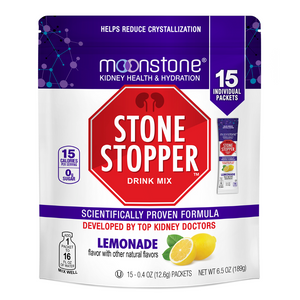
Some people may use a hydration drink mix as part of their daily fluid routine. When choosing a drink mix, review its ingredients and nutritional information and consider how it fits into your overall diet.
A hydration product should not be considered a cure for kidney stones. The primary goal is to maintain appropriate fluid intake while following a prevention plan suited to your individual needs.
Can Lemonade Help With Kidney Stone Prevention?
Citrus beverages can provide citrate, a substance that may help reduce the formation and growth of certain kidney stones.
However, lemonade should not be considered a treatment for an existing kidney stone. The amount of citrate, sugar, and other ingredients can vary between beverages.
If you are interested in learning more about the relationship between citrus beverages and kidney stones, you can read Can Lemon Juice Cure Kidney Stones? for additional information.
When Should You Speak With a Healthcare Professional?
Anyone who has experienced recurrent kidney stones may benefit from discussing prevention with a healthcare professional. Testing can help identify whether factors such as urinary calcium, oxalate, citrate, uric acid, or urine volume are contributing to stone formation.
Stone analysis can also provide useful information about the composition of a passed or removed stone. Once the stone type and contributing factors are understood, dietary and medical recommendations can be more specific.
Seek prompt medical attention if kidney stone symptoms are accompanied by fever or chills, severe persistent pain, difficulty urinating, or vomiting that prevents adequate fluid intake.
Frequently Asked Questions
1. What causes calcium oxalate kidney stones?
Calcium oxalate stones can form when calcium and oxalate become highly concentrated in urine and create crystals. Factors such as low fluid intake, high urinary calcium, high urinary oxalate, low urinary citrate, high sodium intake, and certain dietary patterns can contribute.
2. Should I avoid calcium if I have calcium oxalate stones?
Avoiding calcium completely is generally not recommended. Dietary calcium can bind with oxalate in the digestive tract. The appropriate amount of calcium depends on your individual nutritional and medical needs.
3. What foods are high in oxalate?
Foods that can contain higher amounts of oxalate include spinach, rhubarb, nuts, peanuts, and wheat bran. If you have elevated urinary oxalate, a healthcare professional or dietitian can help determine whether specific foods should be limited.
4. How can I reduce my risk of calcium oxalate stones?
Staying adequately hydrated, maintaining an appropriate dietary calcium intake, limiting excessive sodium and oxalate, eating a balanced diet, and addressing individual urine abnormalities can help reduce the risk of recurrence.
5. Can supplements prevent calcium oxalate kidney stones?
Supplements should not be considered a guaranteed method of preventing calcium oxalate stones. Their suitability depends on the ingredients, your individual needs, and the factors contributing to stone formation.
Conclusion
Calcium oxalate kidney stones develop when calcium and oxalate become concentrated in urine and create conditions that allow crystals to form and grow. Several factors can influence this process, including hydration, urinary calcium, oxalate intake, sodium consumption, citrate levels, and overall dietary habits.
Reducing the risk starts with maintaining adequate hydration and following a balanced diet that provides appropriate calcium while avoiding excessive sodium and high levels of dietary oxalate when medically appropriate. People with recurring stones may benefit from testing to identify the specific factors contributing to stone formation.
Supplements and hydration products may be considered as part of a broader kidney wellness routine, but they should not replace appropriate medical care or established prevention strategies. Understanding your kidney stone type and working with a healthcare professional can help create a more effective approach to long-term kidney stone prevention.