
Kidney stones are hard, crystal-like deposits that develop when certain substances in urine become highly concentrated and begin to stick together. Although all kidney stones can cause pain and urinary discomfort, they do not all form for the same reason. Their chemical composition can affect their causes, treatment, prevention, and likelihood of returning.
The four main types of kidney stones are calcium stones, uric acid stones, struvite stones, and cystine stones. Understanding the differences can help people recognize risk factors and discuss appropriate prevention strategies with a healthcare professional.
What Are Kidney Stones?
Kidney stones form when minerals and other substances in urine become concentrated enough to create crystals. These crystals may remain small and pass through the urinary tract without causing noticeable symptoms. In other cases, they grow into larger stones that can block urine flow and cause significant discomfort.
Common symptoms may include:
Sharp pain in the side, back, or lower abdomen
Pain that moves toward the groin
Burning during urination
Frequent or urgent urination
Blood in the urine
Nausea or vomiting
Cloudy or foul-smelling urine
Fever or chills when an infection is present
The symptoms and treatment options can vary depending on the stone’s size, location, and chemical composition.
1. Calcium Stones
Calcium stones are the most common type of kidney stone. Most are made from calcium oxalate, while some are made from calcium phosphate.
How Calcium Stones Form
Calcium stones develop when calcium combines with oxalate or phosphate in the urine. Several factors can increase the concentration of these substances, including:
Not drinking enough water
High levels of calcium in the urine
High oxalate intake
Excessive sodium consumption
Low urinary citrate
Certain metabolic conditions
Some digestive disorders
A family history of kidney stones
Calcium oxalate stones may form when urine contains too much oxalate and not enough fluid to keep the minerals diluted. Calcium phosphate stones are more likely to develop in urine with a higher pH.
Can Calcium Stones Be Prevented?
Prevention usually focuses on keeping urine diluted and reducing the conditions that encourage crystal formation. Drinking enough water throughout the day is one of the most important steps. Maintaining a normal dietary calcium intake may also help because calcium from food can bind with oxalate in the digestive tract before it reaches the kidneys.
People who have experienced calcium stones may also need to reduce excessive sodium, moderate high-oxalate foods, and follow medical advice about urinary citrate or calcium levels. A healthcare professional may recommend urine testing to identify the specific risk factors.
For additional educational information about kidney stone prevention , review prevention strategies that focus on hydration, diet, and urinary health.
2. Uric Acid Stones
Uric acid stones form when uric acid becomes concentrated in the urine. Unlike many calcium stones, uric acid stones are more likely to develop when urine is too acidic.
How Uric Acid Stones Form
Uric acid is produced when the body breaks down purines, which are substances found naturally in the body and in certain foods. Normally, uric acid leaves the body through urine. However, stones may form when:
Urine remains too acidic
Fluid intake is low
Uric acid levels are elevated
The diet is high in purine-rich foods
A person has certain metabolic conditions
There is a history of gout
The body produces or retains too much uric acid
Foods that may contribute to higher uric acid production include organ meats, certain seafood, and large amounts of meat. This does not mean every person with uric acid stones must completely avoid these foods, but dietary moderation may be recommended.
Prevention and Treatment
Increasing fluid intake can help dilute uric acid. In some cases, treatment focuses on making the urine less acidic so that uric acid remains dissolved instead of forming crystals. A healthcare professional may recommend medication or dietary changes based on urine testing and medical history.
People with elevated uric acid levels may also explore information about an uric acid supplement , but supplements should not replace prescribed treatment or professional medical advice.
3. Struvite Stones
Struvite stones are also called infection stones because they are associated with certain urinary tract infections. They are made primarily from magnesium, ammonium, and phosphate.
How Struvite Stones Form
Some bacteria that cause urinary tract infections produce an enzyme called urease. This enzyme changes the chemical balance of urine and can make it more alkaline. Under these conditions, struvite crystals may develop and grow quickly.
Struvite stones may become large and branch into the spaces inside the kidney. These larger stones are sometimes called staghorn stones because of their shape.
Risk factors may include:
Repeated urinary tract infections
Conditions that prevent the bladder from emptying completely
Long-term urinary catheters
Certain urinary tract abnormalities
A history of infection-related stones
Why Struvite Stones Need Medical Attention
Struvite stones can grow more rapidly than some other types of stones and may cause serious complications if left untreated. Symptoms can include flank pain, fever, chills, painful urination, and cloudy urine.
Treatment generally involves addressing the infection and removing the stone when necessary. Antibiotics may be prescribed, but medication alone may not eliminate a large stone. Follow-up testing can help determine whether the infection and stone-forming conditions have been resolved.
Anyone with kidney stone symptoms accompanied by fever or chills should seek prompt medical care because an infected, blocked urinary tract can become an emergency.
4. Cystine Stones
Cystine stones are less common than the other three types. They develop in people with a rare inherited condition called cystinuria.
How Cystine Stones Form
Cystinuria affects the way the kidneys handle certain amino acids. One of these amino acids is cystine. When cystine builds up in the urine, it can form crystals and eventually develop into stones.
Cystine stones may occur in childhood or early adulthood and can return repeatedly. A family history of kidney stones at a young age may be an important clue.
Prevention and Treatment
Preventing cystine stones often requires a long-term approach. Drinking plenty of water helps dilute cystine in the urine. Depending on the severity of the condition, a healthcare professional may recommend medications that help keep cystine dissolved or change the urine environment.
People with cystinuria may need regular monitoring, urine testing, and imaging to identify stones before they become large. Because this condition is inherited, medical guidance is especially important for long-term management.
How Are Kidney Stones Diagnosed?
A healthcare professional may use several tests to determine whether a kidney stone is present and identify its likely type.
Urine Testing
Urine tests can measure acidity, calcium, oxalate, uric acid, citrate, and other substances. A 24-hour urine collection may help identify why stones are forming.
Blood Testing
Blood tests may evaluate kidney function, calcium levels, uric acid, and other markers associated with stone formation.
Imaging
Ultrasound, X-rays, or computed tomography scans may be used to locate a stone and determine its size. Imaging can also help identify whether urine flow is blocked.
Stone Analysis
If a stone is passed or removed, laboratory analysis can identify its chemical composition. This is one of the most useful ways to guide future prevention.
General Ways to Reduce Kidney Stone Risk
Although prevention should be tailored to the stone type, several habits may support urinary health.
Drink Enough Water
Adequate fluid intake helps dilute minerals and waste products in urine. Water needs vary depending on body size, activity level, climate, and medical conditions. People with a history of stones should ask their healthcare professional how much fluid they should consume.
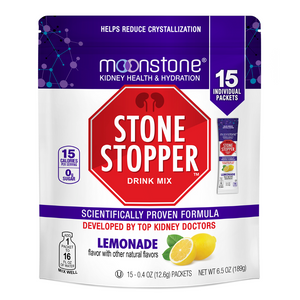
A hydration drink mix may be convenient for some people, but it should complement a balanced hydration routine rather than replace plain water or medical advice.
Avoid Excessive Sodium
High sodium intake can increase the amount of calcium released into urine, which may raise the risk of calcium stones. Limiting heavily processed foods and checking food labels can help reduce sodium intake.
Maintain a Balanced Calcium Intake
Avoiding dietary calcium without medical advice may not be helpful. Calcium from food can bind with oxalate in the digestive system and reduce the amount that reaches the kidneys. The appropriate amount depends on individual health needs.
Moderate High-Oxalate Foods
People who form calcium oxalate stones may be advised to moderate foods that are particularly high in oxalate. The recommendation should be individualized because completely restricting many nutritious foods may create other dietary problems.
Follow Medical Treatment
Some people need medication to reduce calcium, control uric acid, increase urinary citrate, or prevent cystine crystals. Treatment depends on the stone type and the results of testing.
Do Supplements Prevent Every Type of Kidney Stone?
No single supplement can prevent every type of kidney stone. The most appropriate approach depends on the stone’s composition and the reason it formed.
For example, products marketed as a kidney stone supplement may be used as part of a broader wellness routine, but they should not be considered a substitute for diagnosis, prescribed medication, or dietary guidance. People with recurring stones should discuss supplements with a healthcare professional, especially if they take medication or have reduced kidney function.
Some products are also marketed as a kidney health supplement . However, product claims should be evaluated carefully, and individuals should not delay medical care when symptoms suggest a blocked or infected urinary tract.
Can Lemonade Help With Kidney Stones?
Citrus beverages may provide citrate, a substance that can help prevent certain crystals from forming. However, the effect depends on the beverage, the amount consumed, sugar content, and the person’s specific stone risk.
Lemonade is not a universal treatment for kidney stones, and it cannot dissolve every type of stone. People interested in the topic can read more about lemonade for kidney stones . Anyone with recurring stones should rely on individualized medical advice rather than using a beverage as a replacement for treatment.
When Should You See a Healthcare Professional?
Medical evaluation is important if you experience severe or persistent pain, blood in the urine, difficulty urinating, or repeated urinary symptoms. Seek urgent care if kidney stone symptoms occur with fever, chills, vomiting, or signs of infection.
A healthcare professional can determine whether the stone is likely to pass naturally or whether treatment is needed. Testing can also help identify the stone type and reduce the chance of recurrence.
Frequently Asked Questions
1. What is the most common type of kidney stone?
Calcium stones are the most common type. Most are made from calcium oxalate, while others contain calcium phosphate.
2. Which kidney stones are linked to urinary tract infections?
Struvite stones are associated with certain urinary tract infections caused by bacteria that change the chemical balance of urine.
3. Are uric acid stones caused only by eating meat?
No. Diet can influence uric acid production, but urine acidity, genetics, metabolic conditions, and other health factors also affect the risk.
4. Can drinking water prevent all kidney stones?
Drinking enough water can reduce the risk of many kidney stones, but it cannot eliminate every cause. Some people need dietary changes, medication, or treatment for an underlying condition.
5. Can kidney stones come back after treatment?
Yes. Kidney stones can recur, particularly when the underlying cause is not addressed. Stone analysis, urine testing, and a personalized prevention plan can help reduce the risk of future stones.
Conclusion
The four main types of kidney stones are calcium, uric acid, struvite, and cystine stones. Each type forms under different conditions and may require a different prevention or treatment approach. Drinking enough water, maintaining a balanced diet, managing medical conditions, and following professional guidance can help reduce the risk of recurrence.
If kidney stones occur repeatedly, identifying their chemical composition is an important step toward choosing the right long-term prevention strategy.